

¶The robot can sort it. It still can't sell it.
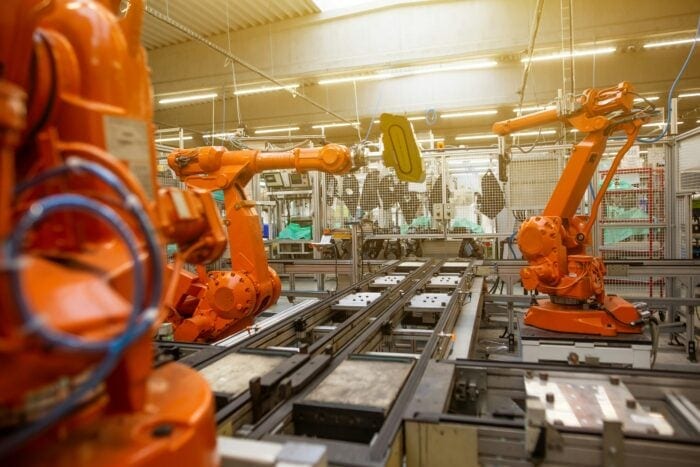
The newest fix for American recycling is a robot that can see. Computer vision and mechanical arms now identify and pull material off a conveyor faster and more accurately than any human line could. The founder of one such company, AMP, describes the capability simply: nearly anything a person can recognize, the system can be trained to recognize too.
It is genuinely impressive. It also runs straight into a wall the recycling industry has been backing into for forty years. A machine can sort a bale of mixed paper to near perfection, and it still cannot create a buyer for that paper. Sorted material that nobody wants is not recycling. It is just very well-organized waste.
That gap, between what we can collect and what the world will actually take back, is the real story of recycling. It also reframes a question worth asking about your own mail: is it better to reduce or recycle junk mail? The smartest move turns out to have nothing to do with better machines.
¶Forty years of solving the wrong problem
The pattern is remarkably consistent. Every fix the industry has reached for unlocked one constraint and quietly tightened another.
Early curbside programs asked households to sort their own materials into separate streams. The output was clean and easy to sell, but the chore suppressed participation, so cities could only divert what residents were willing to prepare. Single-stream recycling, where everything goes in one bin, solved that: participation and tonnage shot up. But mixing everything together contaminated the result, broken glass in the paper, residue soaking the cardboard, and contaminated bales fetch lower prices, when they sell at all.
For two decades, that contamination had an escape valve: China bought it. When China effectively closed its doors to imported scrap in 2018 under the policy known as National Sword, the valve shut overnight. Domestic markets that had never been built were suddenly needed, and they did not exist. Some programs landfilled what they collected. The share of plastic sent to U.S. landfills climbed.
The result of all this motion is a recycling rate that has gone almost nowhere. By EPA’s accounting it rose from about 16 percent in 1990 to a peak near 35 percent in 2017, then slipped to 32 percent in 2018, its most recent figure, and has effectively plateaued near a third. Forty years of engineering, and the needle is stuck. The robots are the newest answer to a question the industry may have been asking wrong the whole time.
¶The question nobody asks at the conveyor belt
Stand at the sorting line and the problem looks technical: how do we separate this stream more cleanly and find someone to buy it? But there is a prior question that never gets asked there, because the conveyor belt is the wrong place to ask it. Why was this material made and sent at all?
For most of what flows past those cameras, that question is academic. You cannot personally decide to stop manufacturing food packaging or beverage bottles. The material arrives in your life whether you like it or not, and recycling, flawed as it is, is the only lever you are handed.
Junk mail is the exception. It is the one high-volume paper stream whose entire existence depends on a list with your name on it. Nobody needs to invent a market for recycled advertising mail, or build a domestic mill, or train a smarter robot, if the mail is never printed and trucked to your door in the first place. Source reduction is the only approach that beats the demand problem completely, because it removes the material before anyone has to find a buyer for it.
¶Then why pay anyone to do it?
It is a fair question, and it usually arrives in two forms. First: shouldn’t stopping junk mail be free, or simply banned outright? Second: if junk mail dries up, doesn’t the Postal Service lose revenue it relies on to keep rural routes running and prescriptions arriving at the door?
Both deserve a straight answer rather than a brush-off. Free options do exist, and we will always point to them. You can leave the marketing-consent box unchecked at checkout, switch your statements to paperless, ask a charity or retailer directly to stop mailing you, and register with DMAChoice, OptOutPrescreen, and Catalog Choice.
What it costs is time and follow-through, one sender at a time, renewed when it lapses. PaperKarma is for people who would rather hand that whole standing job to a single service. It is a convenience, not a tollbooth on the only road.
The regulation question is real too, and so is its difficulty. A national do-not-mail rule has been floated before and runs into commercial-speech protections and, yes, the Postal Service’s own finances. Advertising mail is a meaningful revenue line, and many people, especially in rural areas, depend on the mail for medication and essentials. That tension is worth naming honestly.
But it operates at the scale of national policy, not your mailbox. One person receiving less of their own junk mail is marginal to an agency whose balance sheet is driven by the decline of First-Class Mail, labor and retiree costs, and regulated pricing. Your mail is yours to manage. The Postal Service’s structural finances are a separate, larger conversation, and the two do not collide at the level of a single household’s choices.
¶For junk mail, the answer is reduce, not recycle
This is where the recycling story and the mail story part ways, in PaperKarma’s favor and yours. Advertising mail is the shortest-lived paper product most households touch. Tens of billions of pieces a year, around 2.14 million tons by the Postal Service’s own 2024 weight figures, much of it sorted and discarded within a day. Run it through the best recycling system in the country and you are still paying the energy, water, and transport costs of making and moving paper that existed only to be thrown away, and hoping a buyer exists at the other end.
We are comfortable with the idea that personal choices add up environmentally, that the energy you save or the waste you cut is a small share of a larger total. Mail is no different, and it is unusually actionable. Much of what an individual can do about a footprint is incremental and indirect; trimming the paper that arrives unbidden in the mailbox is direct, immediate, and entirely yours to decide.
Stop it at the source and all of that collapses to zero. No bale to contaminate, no market to find, no robot required. The cleanest ton of junk mail is the one that was never printed.
PaperKarma is the full-service way to do it. Snap a photo of any unwanted mail and it handles the opt-out for you, across catalogs, credit offers, charities, and the rest, on a single subscription. The free DIY routes each cover a slice. DMAchoice, Catalog Choice, OptOutPrescreen, and sender-by-sender requests can all reduce specific streams, but stitching them together is real, ongoing labor. PaperKarma is Plan A for handling the whole problem; the manual routes are the fragmented alternative for people who would rather spend time than money.
The recycling robots will keep getting better, and that is good. But for the mail you never asked for, the most advanced waste technology available is the one that stops it from being made. You already have it. It is the decision not to receive the mail at all.
¶Frequently asked questions
Is it better to reduce junk mail or recycle it?
It is better to reduce junk mail than to recycle it. Recycling depends on a buyer existing for the sorted paper, and those markets are unreliable, so a share of what you put in the bin is exported or landfilled anyway. Reducing the mail removes the paper before any of that, skipping the trees, water, transport, and disposal entirely. Whether you reduce or recycle junk mail, reduction is the only step you fully control, and it is the one with no downstream catch.
Is there a free way to stop junk mail?
Yes. You can leave the marketing-consent box unchecked when you buy something online, switch your bills and statements to paperless, ask a charity or company directly to remove you from its list, and register with DMAChoice, OptOutPrescreen for credit and insurance offers, and Catalog Choice. None of it costs money; it costs time and follow-through, sender by sender. PaperKarma is the paid, full-service option for people who would rather hand the whole standing job to one service.
Will stopping junk mail hurt the Postal Service?
Advertising mail is a real and significant Postal Service revenue line, so the concern is fair. But one household choosing to receive less of its own junk mail is marginal to an agency whose finances are driven by much larger forces, including the long decline of First-Class Mail, labor and retiree obligations, and regulated pricing. Managing your own mailbox and the Postal Service’s balance sheet are separate questions at the scale of individual choices.
Is junk mail part of my environmental footprint?
Yes. Every piece carries the paper, ink, water, and delivery miles behind it, and most advertising mail is discarded within a day. Reducing how much you receive is a small but real reduction in your own footprint, and it is one of the few waste streams an individual can switch off at the source rather than only recycle after the fact.
Sources: